Who Is a Good Candidate for Dental Crowns Southgate CA?
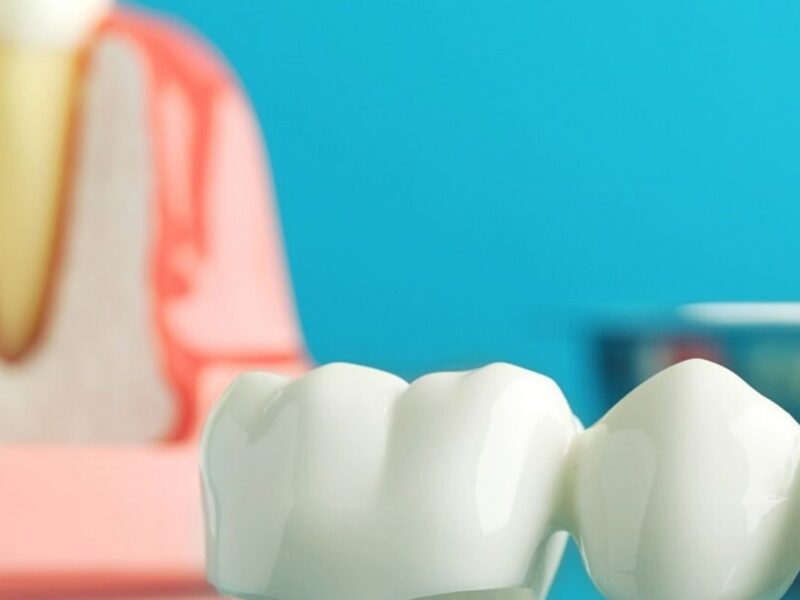
A dental crown is one of those treatments people often hear about long before they actually need one. Someone cracks a molar on a popcorn kernel, a child grows up watching a parent return from the dentist with a temporary crown, or a patient puts off treatment for months because the word sounds more dramatic than it really is. By the time many people sit down for a consultation, they are not just asking what a crown is. They want to know whether it is truly necessary, whether there are alternatives, and whether they are the kind of patient who will benefit from it.
That is the real question behind searches for Dental Crowns Southgate CA. Not every damaged tooth needs a crown, but many do. The right answer depends on the amount of remaining tooth structure, the location of the tooth, bite forces, cosmetic goals, gum health, and the patient’s habits. A front tooth with a small chip is a very different situation from a heavily filled lower molar that has started to crack around an old silver filling.
Crowns are not a one-size-fits-all fix. They are protective restorations, designed to cover and reinforce a tooth when a filling or bonding is unlikely to hold up well. In daily practice, the best candidates are usually the patients whose teeth are still worth saving but need more support than simpler restorations can provide.
What a dental crown actually does
A crown is a custom-made cap that fits over a prepared tooth. Its job is part structural and part cosmetic. Structurally, it redistributes chewing forces and protects weakened enamel and dentin from further fracture. Cosmetically, it restores shape, color, and contour so the tooth blends in and functions normally.
That sounds straightforward, but the reason dentists recommend crowns is often less about appearance and more about engineering. Teeth take an impressive amount of pressure every day. Back teeth, especially molars, carry the heaviest load. When a tooth has been drilled multiple times, has a deep cavity, or has undergone root canal treatment, it can become brittle. Even if it does not hurt much at the moment, the risk of a larger break goes up.
A well-made crown can help prevent a small problem from turning into a big one. It may keep a cracked tooth from splitting further. It may preserve a root canal-treated tooth that would otherwise fracture. It may replace a large failing filling that leaks at the edges and traps bacteria. The ideal candidate is usually someone standing in that middle ground, where the tooth is damaged enough that it needs serious reinforcement, but healthy enough overall that saving it still makes sense.
The clearest signs someone may be a good candidate
Most people who need crowns do not walk in saying, “I think I need full-coverage restoration.” They say the tooth feels strange when they chew. Food gets packed on one side. A corner broke off. A filling fell out. The tooth had a root canal years ago and now looks darker. Or they have been babying one side of their mouth for months because biting on that tooth feels risky.
Several situations come up again and again in real clinical decision-making:
- A tooth has a large cavity or a filling that already takes up much of the visible tooth.
- A tooth is cracked, fractured, or visibly weakened.
- A tooth has had root canal treatment and needs protection from future breakage.
- A tooth is severely worn down from grinding, clenching, or acid erosion.
- A tooth is misshapen or discolored enough that a crown offers a better cosmetic result than bonding or veneers.
Those are not the only reasons, but they are among the most common. If a patient in Southgate comes in with a back tooth that has an old amalgam filling covering more than half the chewing surface, and there are hairline crack lines running from the filling to the outer enamel, that person is often a classic crown candidate. If the same patient waits until a cusp breaks off while eating, the treatment may become more complicated, more expensive, and in some cases less predictable.
Large fillings often tell the story
One of the most common crown cases is not a dramatic emergency. It is a tooth that has simply been repaired too many times. Every replacement filling requires removing a bit more tooth structure. Over the years, the restoration may become larger while the natural tooth becomes thinner.
A small filling is like patching a pothole. A very large filling is more like replacing most of a load-bearing floorboard and hoping the edges will still hold. At a certain point, the remaining walls of the tooth flex under pressure. That is when patients start hearing terms like fractured cusp, undermined enamel, or recurrent decay.
Molars are especially vulnerable because they take the brunt of chewing force. A patient may say, “It’s only a filling, why can’t you just do another one?” Sometimes that works. Sometimes it does not. If the remaining tooth is too weak, a new filling can act like a wedge rather than a repair. In those cases, a crown is less about upselling and more about giving the tooth a realistic chance to survive.
Patients with cracked teeth are often strong candidates
Cracked teeth can be surprisingly deceptive. Some are visible. Many are not. A person may have fleeting pain when releasing a bite, discomfort with cold, or an odd sensation that one tooth does not feel trustworthy. There may be no swelling and no obvious cavity. Yet the crack can still be serious.
When a crack extends through the chewing surface but the tooth is still restorable, a crown often becomes the treatment of choice because it binds the tooth together and limits flexing. It does not erase the crack, but it can reduce the mechanical stress that makes symptoms worse. Timing matters here. A crack that is treated early may be manageable with a crown. A crack that deepens into the root can make the tooth unrestorable.
This is one area where experience really matters. Not every cracked tooth behaves the same way. Some settle down beautifully after crowning. Others reveal pulpal damage and later need root canal treatment. Honest dentistry means acknowledging both possibilities. A good candidate is someone whose tooth appears salvageable, whose symptoms and imaging support restoration, and who understands that cracked teeth can carry some uncertainty.
Root canal patients often need crowns for protection
Many people are told they need a crown after a root canal and wonder if that second procedure is optional. Sometimes it is, but often it is not wise to skip it, especially on back teeth.
A root canal-treated tooth is not automatically doomed, but it is often more brittle than a vital tooth, particularly if a large amount of internal structure was already lost to decay or old fillings. Once the nerve and blood supply are removed, the tooth can become less resilient under repeated bite forces. Premolars and molars are the usual concern because they absorb heavy functional loads every day.
Front teeth can be Dental Crowns Southgate CA different. If an upper front tooth has minimal structural loss and the cosmetic concern is manageable, a full crown may not always be the first choice. But for many posterior teeth, crowning after root canal treatment is standard for a reason. It protects the investment already made in saving the tooth.
I have seen patients postpone that final step because the pain was gone and the tooth felt fine. Six months later, the tooth split below the gum line while chewing something ordinary, sometimes not even anything hard. That is the frustrating part. The expensive, technically difficult part, the root canal, may have gone well, and yet the tooth still fails because it was never reinforced.
Cosmetic concerns can make crowns the right choice, but not always the first one
Some patients are good candidates for crowns because of how a tooth looks, not just how it functions. A tooth may be deeply stained, misshapen, worn down, or altered by old dental work that no Dental Crowns Southgate CA longer matches the smile. Crowns can create beautiful results, especially when a tooth is too compromised for a veneer or bonding to look natural and stay stable.
That said, conservative treatment matters. If a small cosmetic issue can be improved with whitening, reshaping, bonding, or a veneer, many dentists would rather preserve more natural enamel. The best crown candidates on the cosmetic side are usually patients whose teeth already have substantial restoration, significant structural loss, or discoloration that simpler options cannot reliably mask.
A patient with one dark front tooth after trauma, for example, may be an excellent candidate if the tooth also has a large old filling and thin remaining enamel. Another patient with minor surface staining across otherwise healthy front teeth may not be a crown candidate at all. Good cosmetic dentistry is not about doing the biggest treatment. It is about matching the treatment to the actual condition of the tooth.
Gum health and oral hygiene still matter
A tooth can need a crown and still not be ready for one right away. This is a point patients do not always hear enough about. Crowns sit at the gumline, and their success depends partly on the health of the surrounding tissue. Inflamed gums, heavy plaque buildup, untreated periodontal disease, or chronic bleeding can make impressions less accurate, margins harder to manage, and long-term results less predictable.
That does not mean a patient with gum disease can never get crowns. It means the groundwork may need to come first. If the gums are puffy and tender, or if there is significant bone loss around the tooth, the dental team may recommend cleaning, periodontal therapy, or a period of improved home care before moving forward.
The same goes for decay risk. A crown protects a tooth, but it does not make it immune to cavities. Decay can still form around the edge, especially in patients who struggle with dry mouth, heavy sugar intake, inconsistent brushing, or frequent snacking. A good candidate is not someone with perfect oral hygiene. It is someone who can maintain the restoration once it is placed, or who is willing to improve the habits that put teeth at risk in the first place.
Bite habits can change the decision
Southgate patients, like patients anywhere, often lead stressful lives. Clenching and grinding are common, and many people do not realize they are doing it. They wake with jaw soreness, chip fillings repeatedly, or notice that their teeth are flattening over time. These habits matter when deciding whether a crown is appropriate and which material will hold up best.
A patient who grinds heavily may still be a good candidate for a crown, but the treatment plan may need to include a night guard and careful material selection. A very esthetic ceramic may look excellent on day one but wear differently in a high-force bite. In another patient, a crown may fail prematurely not because it was poorly made, but because the chewing forces were never brought under control.
This is one of those trade-offs that rarely fits into a quick online answer. Yes, crowns are often ideal for worn or broken teeth caused by grinding. No, they are not magic armor. If the habit continues unchecked, even excellent dentistry is being asked to endure a difficult environment.
Who may not be the best candidate, at least not yet
Not every damaged tooth should be crowned. Sometimes the tooth is too healthy for that much treatment. Sometimes it is too compromised for a crown to succeed.
A dentist may steer away from a crown in situations like these:
- The tooth has only minor damage that can be treated conservatively with bonding or a small filling.
- The tooth has decay or fracture extending so far below the gum or into the root that prognosis is poor.
- The supporting bone or gum condition is too unstable to justify the restoration.
- The patient has severe uncontrolled grinding, decay, or hygiene problems that need attention first.
- The tooth is better replaced than restored because of extensive structural failure.
This is where judgment matters more than terminology. A patient may hear that a tooth “can” be crowned, but that is not the same as saying it “should” be crowned. If there is not enough healthy structure left to support the restoration, or if the fracture line is too deep, placing a crown may only delay an extraction by a short time. Ethical treatment planning means being willing to say when a crown is not the best investment.
Material choice affects candidacy too
When people search for Dental Crowns Southgate CA, they are often comparing offices, pricing, and reviews, but a less visible part of the conversation is material selection. Crowns can be made from different materials, and the best candidate for one type may not be the best candidate for another.
All-ceramic crowns are popular for their esthetics, especially on front teeth. Zirconia is often chosen for strength, particularly in posterior areas or for patients with heavier bites. Porcelain fused to metal still has a place in some cases, though it is less commonly the first choice for highly visible teeth than it once was. Gold and other metal restorations, while not cosmetically popular, remain excellent from a functional standpoint in select posterior cases because they wear well and can be conservative in preparation.
Candidacy is not just about whether someone needs a crown. It is about whether the tooth position, bite pattern, cosmetic priority, and amount of remaining tooth support the right kind of crown. A singer, teacher, or public-facing professional may care deeply about translucency and shade match on a front tooth. A patient with a history of breaking restorations on lower molars may prioritize durability above everything else. Neither is wrong. The treatment should fit the person.
The exam that determines whether a crown makes sense
The decision is usually made through a combination of visual exam, X-rays, bite assessment, and symptom history. Dentists are looking at more than the obvious hole or broken edge. They assess how much tooth structure remains, whether decay reaches below the gumline, whether there is evidence of fracture, and whether the nerve is healthy.
Sometimes the recommendation is immediate and clear. Other times it takes a closer look. A tooth may appear restorable until an old filling is removed and hidden cracks or deeper decay are uncovered. That is one reason patients occasionally hear a treatment plan change mid-course. It is not ideal, but it is real. Teeth do not always reveal the full story until the dentist is inside them.
A careful consultation should also include practical discussion, not just clinical findings. How long is the restoration expected to last? What are the alternatives? What happens if the patient waits? Does the tooth need a build-up first? Is a root canal likely? What kind of temporary crown will be used? If a patient asks these questions, that is not being difficult. That is being engaged.
What patients in Southgate often want to know about timing
A surprisingly common question is whether a crown can wait. Sometimes it can. Sometimes waiting is what turns a manageable procedure into a much more involved one.
A tooth with a large but stable filling may tolerate a delay better than a symptomatic cracked tooth. A front tooth with cosmetic concerns may wait months with no emergency. A molar with a lost cusp and exposed dentin may not be so forgiving. Each case has its own clock.
In practical terms, if a tooth has already broken, has a root canal without final coverage, or hurts with chewing in a way that suggests structural instability, delaying treatment increases the chance of further fracture. And once the break extends below a certain point, the tooth may be lost. Patients do not need to panic, but they do need to understand that dental problems often worsen by mechanics, not just by infection. Every meal becomes a small stress test.
The best candidate is someone treating the tooth before it becomes a crisis
If there is a pattern that stands out over years of restorative dentistry, it is this: crowns tend to serve patients best when they are done proactively rather than as a last rescue attempt. The strongest candidates are usually not the people with the most dramatic damage. They are the people whose teeth are compromised enough to need protection, but not so destroyed that the foundation is gone.
That could mean the person with an aging molar filling that now shows cracks. It could mean the patient who just completed a root canal on a lower first molar. It could mean someone with a badly worn premolar from years of clenching. It could mean a front tooth with both cosmetic and structural issues that simpler treatments will not solve.
For anyone considering Dental Crowns Southgate CA, the most useful next step is not guessing from symptoms alone. It is getting a thorough exam while the tooth is still salvageable. A good candidate for a crown is, above all, a person with a tooth that can still be saved well, and with a treatment plan that respects both function and long-term value. When those pieces line up, a crown is not just a cover. It is often the reason a natural tooth remains in service for many years.
Simple Dental South Gate
Address: 8617 California Ave, South Gate, CA 90280
Phone number: +13236896118
FAQ About Dental Crowns Southgate CA
How much do crowns cost per tooth?
In the United States, a single dental crown typically costs between $800 and $2,500 per tooth without insurance. The ultimate out-of-pocket price depends heavily on the crown material, the location of the tooth, and whether you have dental insurance coverage.
What is the downside of crowns on teeth?
The primary downside of a dental crown is that the procedure permanently removes natural tooth enamel to shape the tooth for the cap.
Why do dentists push for crowns?
Dentists recommend crowns because a large filling cannot provide enough strength when a tooth loses a major portion of its structure or faces heavy chewing pressure.