Dental Crowns for Cracked Teeth: What to Expect
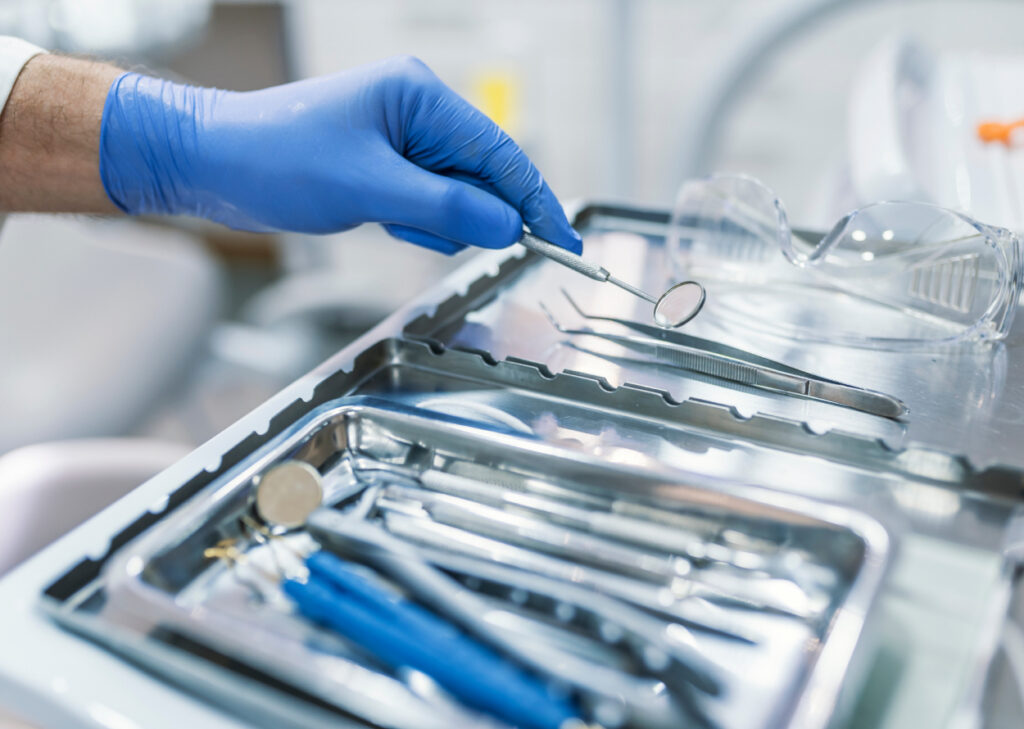
A cracked tooth rarely announces itself in a dramatic way. More often, it starts as a sharp twinge on one side when you bite into toast, or a strange sensitivity that comes and goes without warning. Many patients put it down to a cavity, sinus pressure, or "just something hard I chewed on." Then the pain becomes harder to ignore. That is usually when the conversation turns to dental crowns.
When a tooth is cracked, the goal is not simply to stop pain for the moment. The real job is to keep the crack from spreading, protect the remaining tooth structure, and restore enough strength for normal chewing. In many cases, a crown is the treatment that gives a cracked tooth its best chance of staying in service for years.
The experience is less mysterious than people expect, but there are details worth knowing before you sit in the chair. The type of crack matters. The depth matters. Whether the nerve is inflamed matters. Even the way you bite matters. A good treatment plan for a cracked tooth is part diagnosis, part engineering, and part preventive strategy.
Why cracked teeth are tricky
Cracks do not all behave the same way. A tiny superficial craze line in enamel is very different from a fracture that runs deep toward the root. Some cracks are visible under bright light and magnification. Others hide below the surface and reveal themselves only through symptoms, bite tests, or imaging. Patients are often surprised to hear that a tooth can be badly cracked and still look almost normal in the mirror.
Molars are frequent offenders because they absorb heavy chewing force. Teeth Dental Crowns with large old fillings are also vulnerable. Over time, natural tooth structure flexes under pressure. If a tooth has lost internal support from decay or a wide filling, the remaining cusps can weaken and begin to split. Grinding and clenching add even more stress. So does chewing ice, unpopped popcorn kernels, hard candy, or using teeth as tools.
One of the hardest parts of managing a cracked tooth is that symptoms can be inconsistent. You might feel pain only when releasing pressure after biting, or only when chewing a certain texture on a certain side. Cold may trigger a zing one day and nothing the next. That inconsistency is one reason people delay care. Unfortunately, a crack does not usually heal on its own. Teeth are not like skin or bone. Once a structural crack forms, the dentist’s job is to contain it.
When a crown is the right answer
A dental crown is essentially a custom-made cap that covers the visible part of the tooth above the gumline. For a cracked tooth, its purpose is to hold the tooth together and distribute biting forces more evenly. Done well, it reduces the wedging effect that makes a crack worsen over time.
Not every cracked tooth needs a crown, but many do. If the crack involves a cusp, if a large filling has undermined the tooth, or if pain appears when chewing, a crown is often the most predictable way to protect it. Bonding alone may work for small chips or limited fractures in low-stress areas, but it does not always provide enough strength for back teeth under heavy function.
There are a few common signs that make a crown more likely:
- Pain when biting or releasing pressure.
- A tooth with a large filling and new structural weakness.
- A visible fractured cusp or missing piece of tooth.
- Repeated sensitivity that points to flexing or crack movement.
- A back tooth that has already needed extensive repair and can no longer support itself well.
A crown is sometimes recommended even when symptoms are mild. That can feel surprising, especially if the tooth "only hurts once in a while." From a clinical standpoint, mild symptoms can still indicate a meaningful crack. Waiting until pain is severe can reduce the chance of saving the tooth without root canal treatment, or at all.
The first appointment, what your dentist is looking for
If you come in with a suspected cracked tooth, the appointment is usually more detective work than many patients expect. The dentist will ask exactly what triggers the pain, how long it lastes, whether it wakes you at night, and whether heat, cold, or chewing make it worse. Those details help distinguish a crack from decay, gum problems, sinus pressure, and nerve irritation.
The exam may include visual inspection under magnification, percussion, testing with cold, and a bite test using a small instrument that isolates individual cusps. X-rays are important, but they do not reliably show every crack. Patients sometimes assume that a "normal X-ray" rules out a fracture. It does not. Many cracks run in directions that standard dental X-rays simply cannot capture.
Your dentist is also trying to answer a crucial question: is the crack limited to the crown portion of the tooth, or does it extend into the root? If the crack runs too far below the gumline or splits the root, the tooth may not be restorable. That is the edge case no one loves discussing, but it is better to be realistic early than optimistic without evidence.
Sometimes the diagnosis is straightforward. Other times, the dentist may recommend a temporary protective approach first, especially if symptoms are vague. A well-made temporary crown or orthodontic band can help confirm whether stabilizing the tooth relieves symptoms. If it does, that supports the diagnosis.
What happens during crown preparation
The crown process usually takes one or two visits, depending on the office and whether same-day technology is available. The first major step is preparing the tooth. This involves shaping it so the crown can fit securely around it. Local anesthetic is commonly used, and for most patients the procedure is far easier than the anxiety leading up to it.
If the tooth has a fractured cusp, old filling, or decay, that damaged material is removed first. Then the remaining tooth is evaluated for strength. In some cases, the dentist will place a core build-up, which is a reinforcing foundation that replaces missing internal tooth structure. Think of it as rebuilding the shape of the tooth before placing the outer protective shell.
This is also the stage where things can become more complex. If the nerve is already inflamed beyond recovery, symptoms may not settle with a crown alone. A tooth that has lingering pain to cold, spontaneous throbbing, or pain that wakes you from sleep may need root canal treatment before or shortly after the crown. Dentists try to identify that risk in advance, but cracked teeth can be unpredictable. A tooth may test reasonably well one week and declare itself unhappy after preparation the next.
After the tooth is shaped, an impression or digital scan is taken so the final crown can be fabricated. The bite is recorded carefully because even a slightly high restoration can make a recovering cracked tooth feel worse. A temporary crown is then placed if the final crown is being made in a lab.
Living with the temporary crown
Temporary crowns are useful, but they are not final-strength restorations. They are made to protect the prepared tooth, maintain spacing, and give you acceptable function between visits. They can feel a little different from the permanent version. The edges may be less refined, and very sticky foods can sometimes loosen them.
For a cracked tooth, the temporary phase can also provide valuable information. If pain on chewing improves noticeably after the tooth is stabilized, that is reassuring. It suggests the crack was moving under pressure and the crown is likely to help. If symptoms persist, the tooth may need further evaluation. Sometimes the nerve is involved. Sometimes the crack is deeper than it first appeared.
During this period, patients do best when they treat the temporary with some respect. Chew on the opposite side when possible, avoid gum and caramels, and call the office if the temporary comes off. A prepared tooth is more vulnerable than a fully restored one, and re-cementing the temporary quickly can prevent irritation or shifting.
Choosing the crown material
Patients often ask which crown material is "best." The honest answer is that it depends on location, bite forces, aesthetics, and how much tooth remains. For cracked back teeth, strength usually takes priority over cosmetics, though modern materials can provide both.
All-ceramic and zirconia crowns are common choices because they are durable and look natural. Porcelain-fused-to-metal crowns are still used in some cases and have a long track record. Gold crowns, while less common today, remain one of the most forgiving and durable options for certain molars, especially in patients with heavy bite forces. Dentists who have placed them for years often speak highly of how kind they are to the opposing tooth and how well they hold up.
What matters more than the marketing label is the fit, the design, and the case selection. A beautifully made crown on a poorly diagnosed tooth will not solve the problem. Likewise, a strong material placed in a way that leaves the bite too high or the margins compromised can fail earlier than it should.
The day the permanent crown goes in
At the delivery visit, the temporary crown is removed and the tooth is cleaned. The dentist checks the final crown’s fit, contacts, color if relevant, and bite. This part can take some adjustment. Tiny changes in the way upper and lower teeth meet make a real difference. Patients often think that if a crown feels "mostly okay," they should just live with it. That is not always wise. If something feels distinctly high or hits first every time you bite, it should be adjusted.
Once the fit is confirmed, the crown is cemented or bonded depending on the material and clinical situation. After placement, mild soreness around the gum is common for a few days. The tooth itself may also feel aware of pressure for a short time, especially if it was symptomatic before treatment or required significant preparation. That is not unusual. The tissues and ligaments around teeth can stay tender after a lot of testing, isolation, drilling, and bite adjustments.
What patients want to know, naturally, is whether the pain will be gone immediately. Sometimes yes. Often it improves steadily over days or a few weeks. A cracked tooth that has been flexing under pressure may calm down quickly once stabilized. A tooth with a more irritated nerve can take longer. The important thing is the trend. You want symptoms moving in the right direction, not intensifying.
When a crown is enough, and when it is not
One of the most important counseling points with cracked teeth is this: a crown can protect a tooth, but it cannot erase a deep crack that has already compromised the pulp or root. This is where expectation setting matters.
If the crack is limited and the nerve remains healthy, a crown can be the definitive treatment. The tooth may function comfortably for many years. I have seen heavily restored molars do very well after timely crown placement, particularly when the patient also manages grinding habits.
If the crack has irritated the pulp to the point of irreversible inflammation, the tooth may still need root canal treatment even after the crown is placed. That does not mean the crown was a mistake. It means the structural problem and the pulpal problem were happening at the same time. In some cases, the crown is still essential because root canal treatment alone does not strengthen a cracked tooth.
Then there are the unfortunate cases where the crack extends too far below the gumline or down the root. In those situations, a crown cannot predictably save the tooth because there is no stable foundation left to hold. Extraction may be the more honest recommendation. Patients understandably find that hard to hear, especially when the tooth looked salvageable from the outside. But root fractures and deep vertical cracks are among the more unforgiving problems in dentistry.
Recovery, warning signs, and the first few weeks
Most people return to normal activity the same day. The area may feel numb for a few hours if local anesthetic was used. Once that wears off, mild tenderness is common, especially when chewing firm foods. Soft food on that side for a day or two is often enough.
There are, however, symptoms that deserve a call back to the office. A little awareness is normal. Escalating pain is not. If a tooth is throbbing, keeping you awake, reacting strongly to heat, or feeling high every time you bite, it should be reassessed. The same is true if the crown feels loose or floss shreds repeatedly between teeth after placement.
A simple aftercare routine helps the crown settle in and protects the tooth long term:
- Brush and floss normally, but be gentle around the gumline for the first few days.
- Avoid very hard foods on that tooth until chewing feels comfortable.
- Contact the office if the bite feels uneven or the crown feels tall.
- Wear a night guard if you clench or grind.
- Keep regular checkups so the tooth and surrounding gum can be monitored.
That last point matters more than patients think. Crowns fail quietly before they fail dramatically. A margin can start to leak. Cement can wash out. A crack can progress elsewhere in the tooth. Regular exams catch small problems while they are still manageable.
How long do crowns on cracked teeth last?
There is no honest single number. Some crowns last well beyond a decade. Others need replacement sooner because of decay at the margin, fracture of the restoration, heavy grinding, gum changes, or problems in the underlying tooth. A lot depends on how much healthy tooth remained at the start.
A molar with a conservative crown on a solid foundation has a different prognosis than a tooth that came in with a giant failing filling, a fractured cusp, and years of clenching behind it. The patient’s habits matter too. Someone who chews ice, grinds at night, and misses preventive simpledentalca.com Dental Crowns visits puts very different demands on a restoration than someone with a stable bite and good home care.
When a crown does fail, the reason is not always the crown itself. Sometimes the limiting factor is the tooth. A strong, well-made restoration still relies on the biology underneath it.
Cost, insurance, and why timing matters
Crowns are a significant investment, and cost is one reason people hesitate. Yet delay has a way of making treatment more expensive. A cracked tooth that might have been restored with a crown alone can evolve into a crown plus root canal, or a lost tooth needing extraction and replacement. That is not sales language. It is simply what happens when structural problems progress unchecked.
Insurance plans vary widely. Some cover crowns at a percentage after deductibles and waiting periods. Many require documentation showing structural need rather than cosmetic preference. If a dentist recommends a crown for a cracked tooth, it is reasonable to ask what the alternatives are, what the risks of waiting look like, and whether the tooth shows signs that root canal treatment may also be necessary. Good clinicians should be able to walk you through that without pressure.
Questions worth asking before you proceed
Patients make better decisions when they understand not just the treatment, but the uncertainty around it. With cracked teeth, uncertainty is part of the territory. Some useful questions include whether the crack seems shallow or deep, whether the nerve appears healthy today, how likely a root canal may be later, and whether a night guard is advisable after treatment.
A crown is not simply a cover placed because a tooth looks damaged. It is a structural intervention chosen because the tooth needs reinforcement to survive function. That distinction helps people understand why a crack that seems minor can still call for a substantial restoration.
The bigger picture
Dental crowns have a reputation for being routine, and in many ways they are. Dentists place them every day. But on cracked teeth, the work carries a little more nuance than a straightforward crown on a heavily worn tooth or a large cavity. The dentist is not only restoring shape and appearance. They are trying to stop a mechanical failure in progress.
When treatment is timed well, a crown can be remarkably effective. It can turn a tooth that winces with every meal into one that disappears back into normal life, which is what good dentistry often looks like. Nothing flashy, just a tooth that lets you chew without thinking about it.
If you have been told you need a crown for a cracked tooth, the recommendation usually reflects a practical reality: the tooth has lost enough strength that it needs support. The sooner that support arrives, the better the odds that the tooth remains restorable, comfortable, and useful for years to come.
Simple Dental South Gate
Address: 8617 California Ave, South Gate, CA 90280
Phone number: +13236896118
FAQ About Dental Crowns
How much do crowns cost per tooth?
In the United States, a single dental crown typically costs between $800 and $2,500 per tooth without insurance. The ultimate out-of-pocket price depends heavily on the crown material, the location of the tooth, and whether you have dental insurance coverage.
What is the downside of crowns on teeth?
The primary downside of a dental crown is that the procedure permanently removes natural tooth enamel to shape the tooth for the cap.
Why do dentists push for crowns?
Dentists recommend crowns because a large filling cannot provide enough strength when a tooth loses a major portion of its structure or faces heavy chewing pressure.